PPC in short means pay per click. As a rule, the advertiser pays when someone clicks on their ad and lands on the website, product page or offer linked to it.
The click-based model can be used in search engines, on social platforms, on video platforms and on various partner websites. Below we'll look at how PPC works, what benefits and costs it can carry, and on which ad platforms you'll come across it.
What PPC means and how it works
PPC is short for the English term Pay Per Click, which means paying per click. It's an online advertising model in which the advertiser pays for the clicks their ad receives.
The meaning of PPC looks simple at first: if there are no clicks, there's usually no click cost either. Running a campaign is more involved than that, though, because the advertiser has to define the target audience, the budget, the content of the ad, where it appears and the result they want to achieve.
PPC ads are often designed to drive relevant visitors to a website. After the click, the user might land on a product page, a service page, a request-a-quote form or a page tied to a download.
Many people equate the concept of PPC with the Google Ads system. Google Ads is one of the best-known PPC platforms, but click-based billing can also be used on social platforms, on video platforms and in other digital advertising systems.
The meaning of PPC often gets confused with the concept of CPC. PPC refers to the click-based advertising model itself. CPC, or Cost Per Click, shows how much a click cost on average.
If, for example, you spent 100,000 HUF on a campaign and got 1,000 clicks from it, then the average CPC is 100 HUF. This figure helps you compare campaigns, but on its own it still doesn't show whether the ad was successful in business terms.
For that, you also need to look at how many of the clicks turned into requests for a quote, sign-ups, purchases or other valuable actions. Even a higher click cost can be acceptable if a larger share of the incoming visitors becomes customers.
The history of PPC ads goes back to the mid-1990s. One early click-based solution was tied to an online service called Planet Oasis in 1996, which displayed informational and advertising links. The model later became one of the defining billing formats for search ads and other digital ad placements.
An important part of how search PPC campaigns work is the ad auction. When someone types in a search term, the system examines which ads relate to that particular search and which of them are eligible to appear.
The order is shaped by several factors. The bid you set matters, as do the relevance of the ad, the quality of the landing page, the content of the search, the user's device, their location and competitor activity.
This means the highest bid alone doesn't guarantee the best position. A precisely worded, relevant ad can end up in a better spot than a weaker ad that starts from a higher bid.
Before a campaign launches, you can define the daily or monthly budget, the geographic targeting, the timing of the ads, the target audience and the desired result. While the campaign is running, data keeps building up, and you can use it to fine-tune the settings.
The benefits, costs and metrics of PPC
One of the most important benefits of PPC is that it can drive visitors to a website quickly. The results of a search engine optimization process often take more time, whereas a well-configured PPC campaign can bring traffic right after it launches.
This can be especially useful for a new website, a freshly launched service, a seasonal offer or a temporary promotion. A campaign lets you quickly test which offers and messages catch your target audience's attention.
The main benefits of PPC are the following:
- it can be launched quickly and can bring traffic within a short time;
- the target audience can be defined precisely;
- the daily or monthly budget can be controlled;
- impressions, clicks and conversions are measurable;
- several ad texts and offers can be tested;
- the campaign data can also be used for other marketing activities.
The meaning of PPC is closely tied to measurability. Advertising systems show you how many times an ad appeared, how many people clicked on it, how much it cost to acquire a visitor, and how many people completed the action you wanted.
One basic metric is the number of impressions. This shows how many times the system displayed the ad. A high impression count on its own still doesn't mean a good result, because it also matters how many users clicked on the ad.
The click-through rate is shown by CTR, or Click Through Rate. You calculate it by dividing the number of clicks by the number of impressions. If an ad appeared 10,000 times and got 500 clicks, then the click-through rate is 5 percent.
CPC stands for the average cost per click. The size of the CPC can depend on the industry, the competition, the targeting, the keywords, the quality of the ad and the platform you choose.
The conversion rate is an important metric too. It shows what share of the visitors coming to the website completed the action you wanted. A conversion could be, for example, a purchase, a quote request, a registration, a phone call or a newsletter sign-up.
CPA, or Cost Per Acquisition, indicates how much it cost to acquire a conversion. If you spent 200,000 HUF on a campaign and got 40 quote requests, then the cost per quote request is 5,000 HUF.
Webshops also often use the ROAS metric. This indicates the ratio of the revenue generated from the ad spend. It lets you examine how much revenue a given campaign produced compared to the amount spent on advertising.
It's not worth judging PPC costs solely on the basis of the click price. A 300 HUF click can be better than a 50 HUF click if the former results in a purchase or a quote request far more often.
A campaign can be considered successful when the customers and revenue acquired are in the right proportion to the ad spend. This requires accurate conversion tracking and regular analysis.
One of the benefits of PPC is that many details of the campaign can be controlled. You can define in which towns, at which times of day, on which devices and to users with which interests your ads should appear.
The targeting options should always be matched to the business goal. For a local service provider, geographic targeting may be important, while for a webshop the products, purchase intent and previous website visits may play a bigger role.
PPC campaigns can also support search engine optimization work with data. They can show which search terms bring valuable visitors, which offers get clicked often, and which landing pages perform well.
Paid campaigns on their own don't improve organic Google rankings. That said, the keyword, ad and conversion data from PPC can be useful for planning and developing SEO content.
PPC has its risks too. Click costs can add up quickly, especially in industries where many advertisers compete for the same searches. With imprecise targeting, the budget can also be spent on visitors who are unlikely to become customers.
Campaigns require regular monitoring. You need to examine the search terms, the performance of the ads, the targeting settings, the costs and the conversions. During optimization, the weaker-performing elements can be adjusted or paused.
Smaller, simpler campaigns can be handled in-house with the right preparation. With a larger budget, many products, several target markets or a complex measurement system, bringing in an experienced PPC specialist can reduce the risk of mistakes and wasted spend. Of course, when campaigns are managed properly, these issues are easy to remedy.
PPC ad platforms and common questions
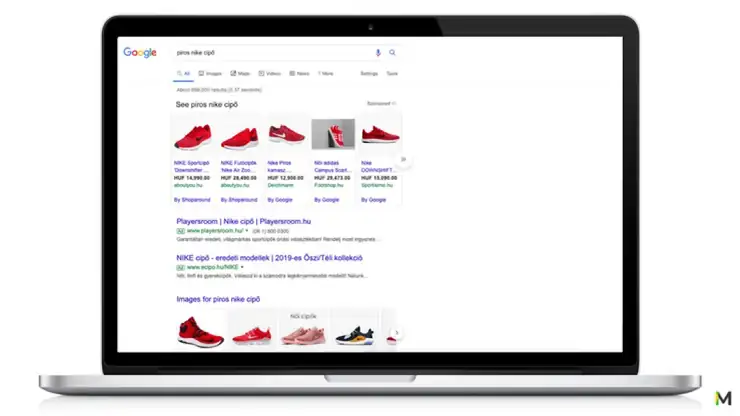
The meaning of PPC isn't tied to a single advertising platform. Click-based campaigns can run in search engines, on social platforms, on video platforms, in apps and on partner websites.
When choosing the right platform, what you need to examine is where your target audience can be reached, what type of offer you want to promote, and what action you expect from the user who clicks on the ad.
Google search ads
Google search ads can appear among the search results. With these ads you can reach people who are already actively searching for a product, a service or a solution.
If someone is looking for an accountant, running shoes or a moving company, for example, ads related to their search can appear for them. The advertiser can define who they want to reach based on keywords, search themes, location and other settings.
One of the strengths of search PPC campaigns is user intent. The person doing the searching is often already close to buying or requesting a quote, so a precisely targeted ad can bring valuable traffic.
Success requires relevant ad text and a well-built landing page. The promise made in the ad has to match what the user finds after the click.
Google Shopping
Google Shopping is an advertising solution mainly for webshops. A product ad can show the product's image, name, price and the merchant's name.
The visual presentation helps the user get a picture of the offer even before the click. This can reduce the number of visits where the shopper would only leave the page because of the price or the look of the product.
The performance of Shopping campaigns is heavily influenced by the quality of the product data. You need an accurate product name, the right category, a good-quality image, an up-to-date price and stock information.
Paid social media ads
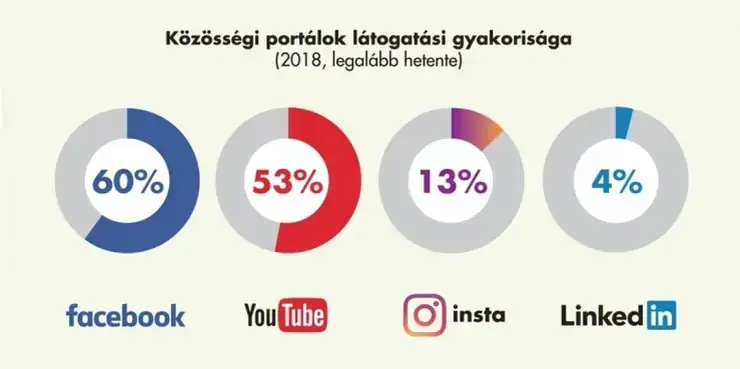
On Facebook, Instagram, LinkedIn and other social platforms, image, video, feed, story and message-based ads can all appear.
On these platforms, users usually aren't searching for a specific product. The ad appears to them based on targeting, so a scroll-stopping creative and a quickly understandable offer take on a key role.
Social campaigns can be used to grow awareness, drive website traffic, collect quote requests, sell products, gain video views and re-reach previous visitors.
Targeting can be built based on interests, demographics, past activity and your own audience lists. The exact options and campaign goals available on the platforms can change over time.
Facebook and Instagram ads
In the Meta advertising system, both the Facebook and the Instagram audience are reachable. Campaigns can run in the feed, in stories, between short videos and in other placements.
The strength of Meta ads is audience-based targeting and the wide range of creative formats. Images, videos, product catalogs and swipeable ads can all be used.
It's worth matching the campaign goal to the business result. A brand awareness campaign, an ad that drives to the website and a direct sales campaign each need a different setup.
The once-widespread "like campaign" or "post boost" rarely gives a full picture of the business result on its own. It's worth examining whether the campaign contributes to website visits, to acquiring leads or to sales.
LinkedIn ads
LinkedIn is mainly suited to reaching a business audience. Ads can be targeted, for example, by job title, industry, company size, professional experience and workplace.
This platform can be especially useful for B2B services, business software, professional events, training courses and recruitment campaigns.
LinkedIn's click costs can in many cases be higher than the costs on other social platforms. Because of the precise professional targeting, the business value of a single lead can also be more significant.
YouTube ads
With YouTube video ads you can present a product, service or brand in a visual, easy-to-remember format. The ads can appear before, during or beside videos, or in other parts of the platform.
Targeting can be done based on interests, demographics, search behavior, video topic and previous website visits.
YouTube is especially well suited to products and services that are worth demonstrating in action. A short product demo, tutorial video or ad built around a customer problem can spark interest more easily than a simple text ad.
The first few seconds of the video are decisive. It has to become clear quickly what problem the offer solves and why it's worth watching on.
Google Display ads
Display ads can appear on various websites, in apps and on other digital surfaces. The ad can be an image, text or a combination of the two.
The Display Network is often used for awareness campaigns and remarketing. With remarketing, you can re-reach users who have previously visited the website or viewed a product.
A webshop, for example, can re-address a visitor who added a product to their cart and then left without buying. And a service provider can remind those who read the service description but didn't request a quote after all.
The goal of remarketing isn't to show the same ad an unlimited number of times. The frequency, the duration and the message have to be set so that the campaign stays a helpful reminder.
Frequently asked questions
What does PPC mean?PPC is short for Pay Per Click, which means paying per click. As a rule, the advertiser pays for the clicks their ad receives.
What's the difference between PPC and CPC?PPC is the name of the click-based advertising model. CPC shows how much a click cost on average.
Are PPC and Google Ads the same thing?Google Ads is an advertising platform on which PPC-based campaigns can also be run. PPC is a broader concept that can also be used in other search engines and on social platforms.
How much does a PPC ad cost?The cost depends on the industry, the competition, the targeting, the platform, the quality of the ad and the goal of the campaign. It's worth setting the right budget based on your business goals and the expected return.
When is it worth launching a PPC campaign?PPC can be useful if you want to gain traffic quickly, you're testing a new offer, you're launching a seasonal campaign, or you want to reach a precisely definable target audience.
When do you need a PPC specialist?A smaller, simpler campaign can be handled in-house with the right preparation. With a complex campaign structure, a larger budget or several target markets, a specialist can help reduce the risk of mistakes and wasted spend.
Does PPC help search engine optimization?Paid ads don't directly improve organic rankings. That said, the search, click and conversion data from PPC campaigns can help develop your SEO strategy and your website content.
From the click to the business result
The meaning of PPC can be summed up simply, but building a successful campaign takes careful planning. The right targeting, relevant ad text, a compelling offer and a well-functioning landing page together determine whether the clicks turn into leads and buyers.
Campaigns need to be evaluated and optimized regularly. Based on the data, you can adjust the targeting, the bid, the budget, the ad text and the creative content. That's how PPC can turn from a quick traffic-driving solution into a measurable, predictable marketing channel.